Your Questions, Answered
-
While 10 minutes doesn’t seem like a very long time, it is 10 minutes of complete, undivided attention from their instructor, as opposed to larger classes with more children where the instructor’s attention is divided.
Swimming is a sensorimotor activity and infants and toddlers are sensorimotor learners! Mastery of a sensorimotor skill is best acquired by short, frequent exposure and also takes into account a young child’s attention span and avoids the risk of them getting too cold or physically tired.
-
It takes a great deal of energy to digest food and your child will need this energy during lessons. If a child has difficulty digesting food it can increase the amount of gas in their system, which can affect buoyancy and make lessons more difficult or uncomfortable for your child
-
Seasonal Refresher Courses
A refresher course is highly recommended 3 to 4 months following their initial training. While children retain their fundamental safety instincts, their center of gravity and buoyancy change as they grow. Refresher courses allow us to adjust their self-rescue skills to their new height and weight.
Rate: $130 per week
Frequency: 4 days per week
Duration & Timeline:
First Refresher: Typically requires half the time of their previous session (ex: first session took 6 weeks, the next session would take 3 weeks).
Subsequent Refreshers: Often only require a single 1-week tune-up as their confidence and efficiency increase.
Maintenance Lessons
Maintenance lessons are designed to build water confidence, and ensure skills remain sharp—particularly for children who do not have regular pool access.
Rate: $30 per session
Duration: Approximately 20 minutes
Frequency: Once per week, biweekly or monthly.
Note on Program Selection: Every child's regression and retention rates are unique. Whether your child benefits more from continuous weekly maintenance or seasonal refresher blocks depends entirely on their individual skill level, personal confidence, and how frequently they practice outside of lessons.
-
Children learn through trial and error and muscle memory; just like when they learn to walk. Swimming and floating are taught with sensori-motor learning.
-
During the first week of lessons, most likely, yes. Crying is a form of communication for young children. In the beginning, a child experiences “stranger danger” with their new instructor, but the child learns to trust them very quickly.
-
If you believe your child has any medical condition that might affect his/her safe participation in lessons, please explain the condition in your enrollment form.(Children with ear tubes can swim once cleared by your child’s physician.)
-
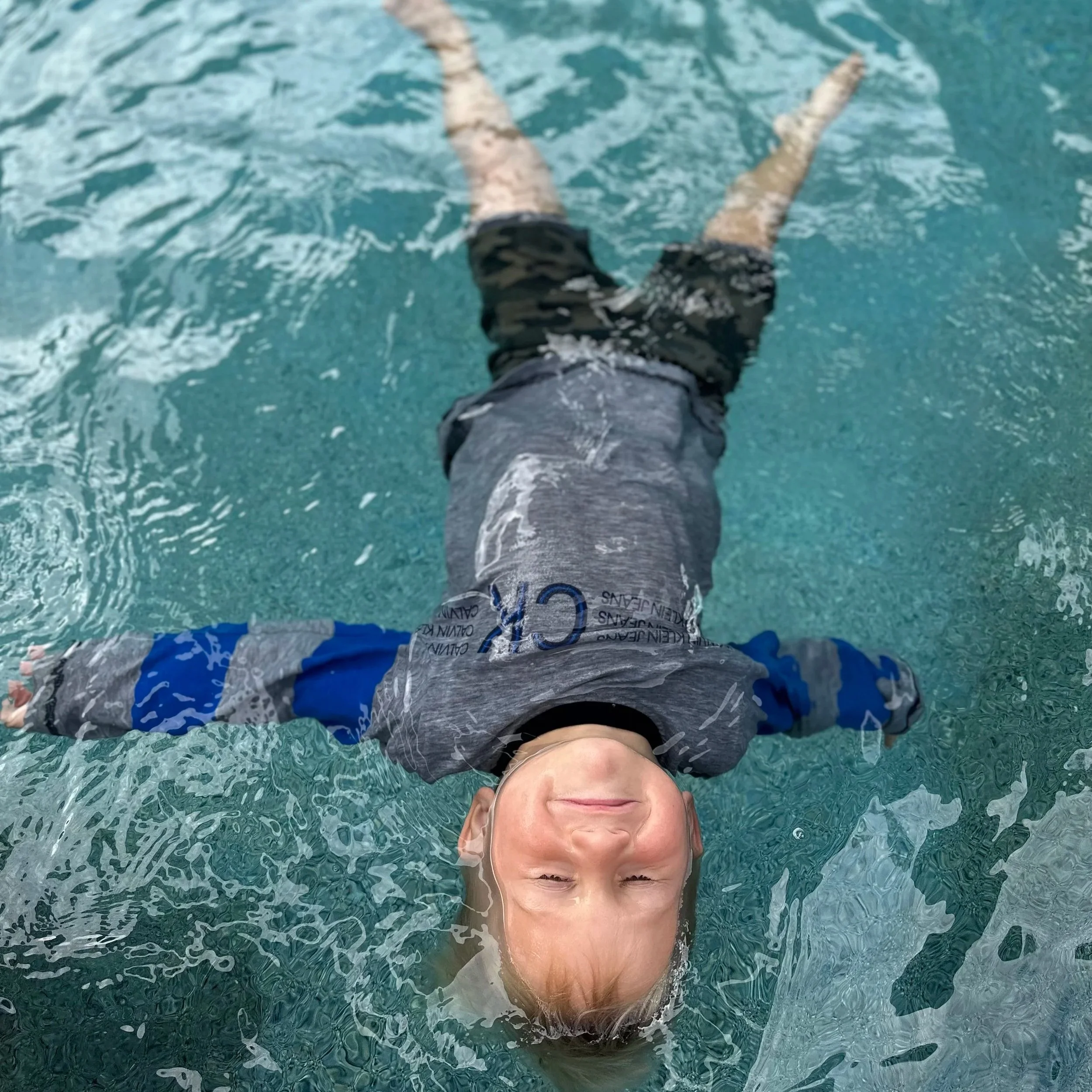
In self-rescue lessons, we teach our students to keep their eyes open so they can see and swim their way to safety (an adult, ledge, steps, ladder, or wall). This prepares them for any accidental fall ins. We do not want children to become to reliant on goggles.
-
There is no such thing as “drown proof”. Multiple layers of protection are the solution to eradicating childhood drowning, and self-rescue swim lessons should be one of those protective layers.
Layers of protection:
💦 Water survival training.
💦 A pool safety fence, isolating the pool from the home and all access points.
💦 High locks and alarms on all doors and windows with pool access.
💦 Alarms both in the pool and worn on the child.
💦 CPR and rescue training.
💦 Constant supervision in and around the water.
-
When my schedule allows for it, I will travel within middle TN. Currently, I teach lessons in Eagleville, TN.
-
I want to make self-rescue swim lessons accessible to everyone! I currently work with non-profits that offer financial aid scholarships for my program.
-
The investment for the program is $130 per child per week, along with a one-time $90 registration fee. These lessons are designed to equip your child with life‑saving skills, giving them confidence in the water and giving you peace of mind.
You’re not just signing up for swim lessons — you’re investing in your child’s safety, independence, and long‑term water confidence.
-
Our self‑rescue swim lessons are designed with one goal in mind: real, independent swimming skills that keep your child safe. Unlike traditional swim lessons that often focus on comfort, play, and slow progression, our program teaches true survival skills in just weeks.
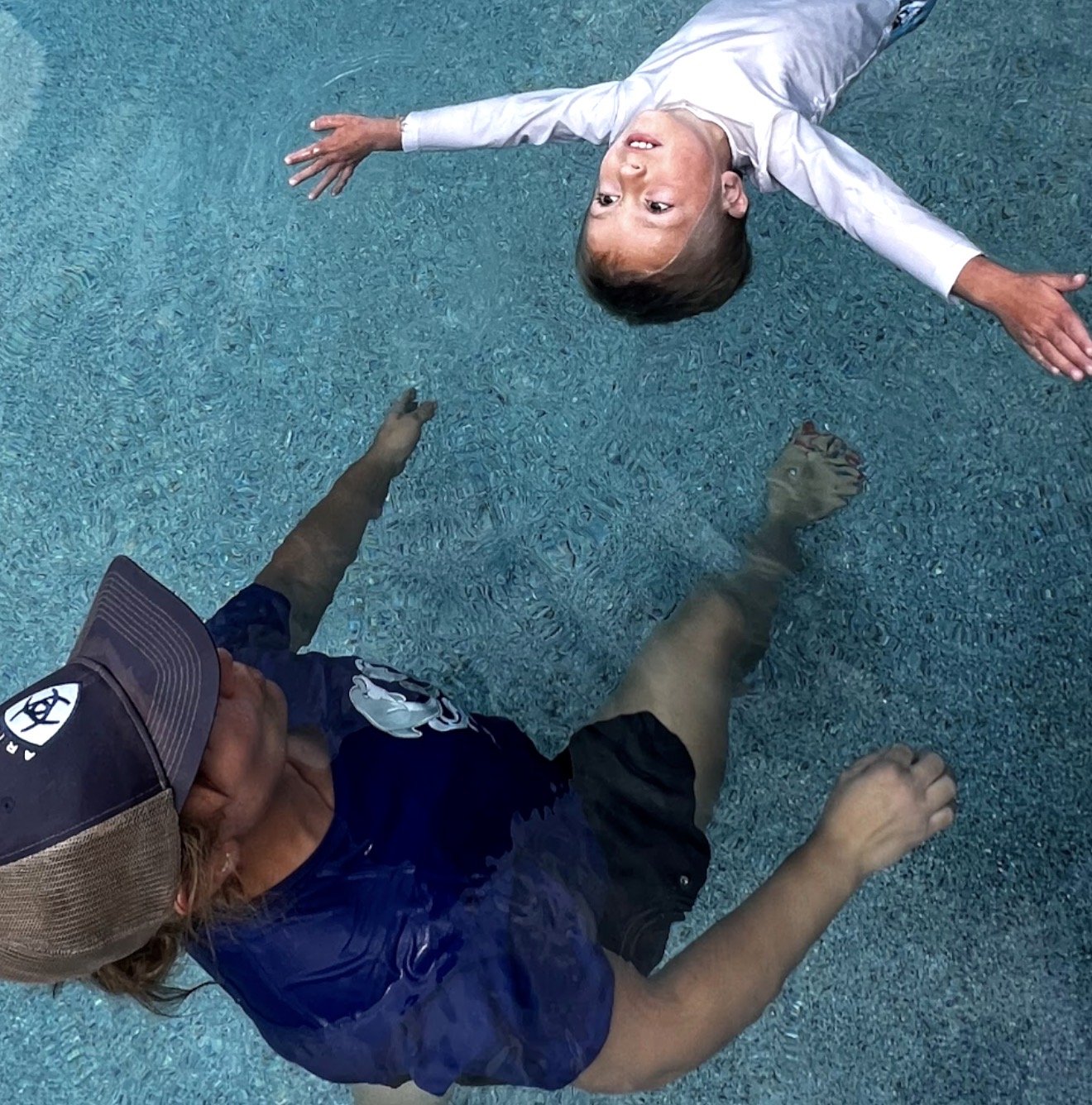
Children learn how to swim and float independently, giving them the ability to help themselves if they ever encounter water unexpectedly. It’s a confident, empowering approach that builds safety first.
You’re not just choosing a different type of swim lesson — you’re choosing a program that gives your child life‑saving skills and real independence in the water.